
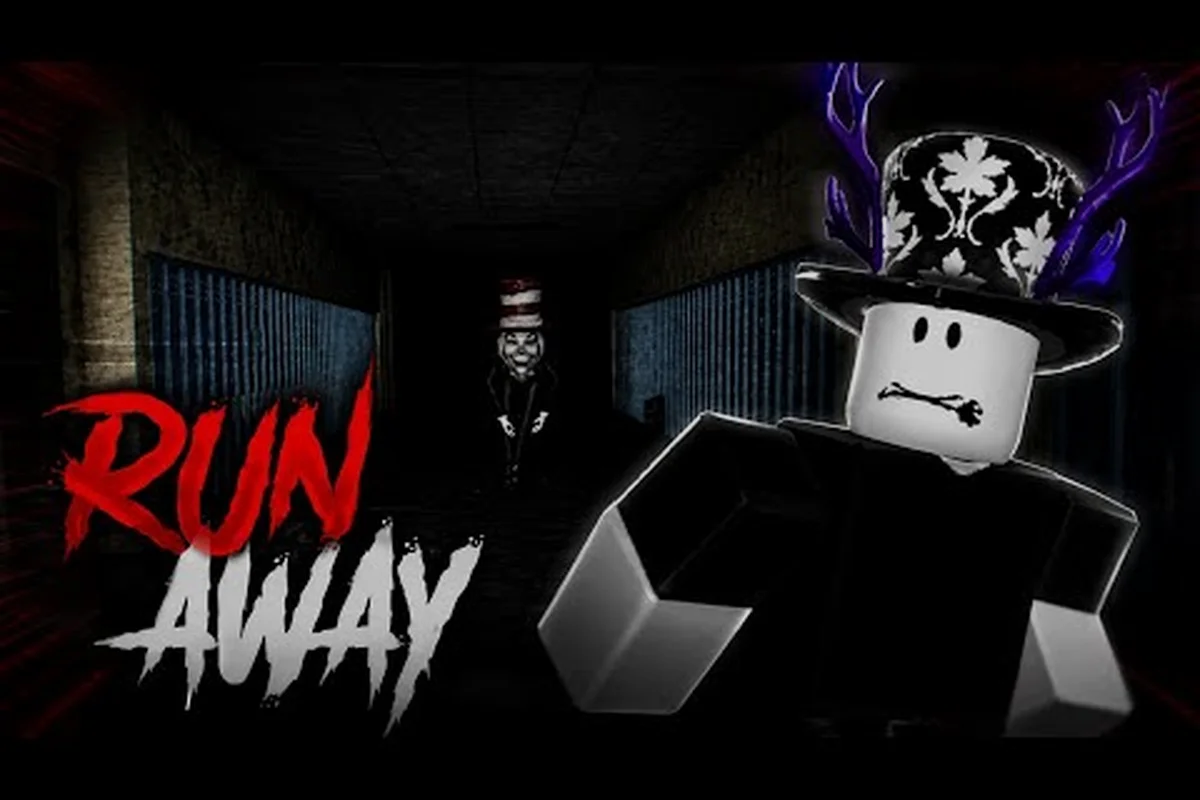
Getting Started With Scream And Run
A solid Scream And Run tutorial starts before the monster even moves, because the first sixty seconds of a match decide whether your squad escapes or resets. Players spawn inside a locked school after nightfall with one shared objective: locate five keys scattered across classrooms, desks, lockers, and backpacks, then unlock the exit before the Cat in the Hat catches them. The game launched in late August 2026 and according to the official Scream And Run Roblox page, it passed 10 million visits within two weeks, peaking at roughly 14,600 concurrent players, which means a healthy queue of new survivors joining every night. This Scream And Run tutorial walks through the core loop, the keybinds that matter, and the very first co-op calls you should make so your team wastes no time standing in hallways.
What the Match Loop Looks Like
Every round follows the same three-phase structure, and recognizing the transition between them is the foundation of any Scream And Run basics guide. Phase one is the Safe Window, a short opening where the Cat in the Hat patrols but does not yet chase. Phase two is the Hunt Window, which begins the moment a player is spotted, makes noise, or grabs a key. Phase three is the Extraction Push, when the exit door unlocks and the team races to leave. Learning to read the phase indicator is more important than memorizing key spawns, because the same classroom that was safe thirty seconds ago becomes a death trap the moment the hunt starts.
| Phase | Trigger | Player Goal | Risk Level |
|---|---|---|---|
| Safe Window | Round start | Split up, scout keys | Low |
| Hunt Window | Sight line or noise | Stick together, move quietly | High |
| Extraction Push | 5th key collected | Race to exit as a group | Extreme |
Why the Basics Matter Early
New players often sprint toward the first glowing desk they see, and that impulse is exactly what the monster punishes. According to community data shared by early survivors, roughly 70% of first-round deaths happen in the first two minutes because players ignore the safe window and sprint straight into line of sight. A patient opening — walking instead of running, crouching through hallways, and waiting to hear the Cat in the Hat's patrol footstep pattern before committing to a room — is the single biggest separator between players who escape their first match and players who reset five times in a row.
Core Mechanics Every Player Must Learn
Before you queue into your second match, you need to understand the four core mechanics that govern every interaction: stamina, noise, vision, and the key inventory. These systems layer on top of each other, so learning them in order keeps the mental load manageable. The Scream And Run tutorial approach is to introduce each mechanic, show the value it adds to your squad, and then explain how co-op players can exploit it together.
Stamina and Movement
Stamina governs sprinting, jumping, and the panic-dash that triggers when the monster spots you. Running drains the bar continuously, walking regenerates it slowly, and standing still refills it fastest. The mechanic is tuned so that two reckless sprinters cannot outrun a single sprinting monster, but a coordinated team that walks between rooms and only sprints across open courtyards can stay ahead indefinitely. The default movement keybinds follow the standard Roblox layout, and you can confirm them on the default controls reference if your layout feels off.
| Action | Stamina Cost | Noise Level | When to Use |
|---|---|---|---|
| Walk | None | Silent | Hallways, near monster |
| Sprint | High | Loud | Open courtyards, escape push |
| Crouch | None | Very quiet | Locked rooms, hiding |
| Panic dash | Very high | Very loud | Emergency, last resort |
Noise, Vision, and Line of Sight
Noise is generated by sprinting, jumping, dropping items, and slamming lockers shut. Vision is a cone in front of the Cat in the Hat, and once any part of your avatar enters that cone the hunt phase begins. Players who crouch and walk produce almost no audio or visual signature, which makes them nearly invisible until they enter a flashlight beam or a hallway with no cover. The interaction between noise and vision is what turns a four-player squad into a coordinated unit: one player can intentionally make noise in a distant wing to draw the monster away while three teammates quietly clear a key spawn.
The Key Inventory and Exit Door
Keys are the only objective item, and exactly five must be collected before the exit door unlocks. Each key weighs the same and stacks in a shared inventory slot, so there is no reason to debate who carries what. The exit door itself becomes interactable the moment the fifth key is deposited, and a short on-screen timer starts counting down. Community testing suggests the extraction window lasts about 45 seconds, which sounds generous until you factor in the monster sprinting straight toward the door the moment the alert fires.
Co-op Roles and the First Calls to Make
A Scream And Run co op guide is only useful if it tells you what to say in the first ten seconds after spawn. Most successful squads assign roles before anyone moves, because trying to decide who scouts, who baits, and who holds the exit during a hunt is a recipe for disaster. The three-role framework below is what experienced groups default to, and it works on the school map and the newer mines variant that launched alongside the autumn 2026 update.
The Standard Three-Role Setup
| Role | Primary Job | Equipment Priority | Risk Profile |
|---|---|---|---|
| Scout | Walk the perimeter, mark key locations | Crouch button, quiet shoes | Lowest |
| Carrier | Collect keys, deposit at exit pad | Sprint stamina, exit map | Medium |
| Bait | Distract monster during extraction | Loud footsteps, stamina refill | Highest |
The scout moves first and never sprints. The carrier follows at a walking pace and only grabs keys the scout has confirmed. The bait player stays near the exit and only commits to a noise pull when the fifth key is secured. This pattern sounds slow, but community reports show squads using it clear the school map in roughly 7-8 minutes with near-perfect consistency, while sprint-heavy squads reset two or three times before escaping.
What to Do in the First 30 Seconds
The opening half-minute is where most new squads fall apart, so the Scream And Run what to do checklist below is worth memorizing. The list assumes a four-player team on the default school map, which is the same map covered in detail in the school map layout guide. Adjust the order if your team rolls into the mines variant, since the mines layout has tighter corridors and fewer hiding spots.
-
Confirm the team composition — count to four, assign the three roles, and leave the fourth player as a flex carrier who shifts into whichever role needs help.
-
Identify the Cat in the Hat's starting patrol — listen for the footstep loop and note which hallway the monster is facing.
-
Split into pairs — scout plus carrier on the opposite side of the school, bait plus flex near the exit corridor.
-
Mark two key spawns per pair — call them out in chat so the team knows which rooms have been cleared.
-
Do not sprint unless the monster is already chasing you — sprinting during the safe window is the fastest way to trigger an early hunt.
Voice and Chat Etiquette
Because the game has no built-in proximity voice, most squads rely on Roblox chat or a third-party Discord call. Keep calls short and positional: "Cat east hallway" is useful, "Monster somewhere" is not. Numbers help even more, so learning the school's wing numbering convention (the map wiki community uses Wing A through Wing D) lets you call "Cat Wing B, second floor" in under a second. If you are playing solo-queue without a mic, the in-game ping wheel covers the basics but loses the speed that a coordinated call provides.
Common Newcomer Mistakes and How to Avoid Them
Even experienced players fall into patterns that cost matches, and recognizing the mistake is the first step toward breaking it. The table below summarizes the six most common failure modes that community data has flagged since launch, along with the simplest fix for each. Pair this with the deeper coverage in the beginner guide if you are still building your survival instinct.
| Mistake | Why It Fails | Fix |
|---|---|---|
| Sprinting during safe window | Triggers early hunt | Walk everywhere until spotted |
| Lone wolfing into a wing | No revive, no callout | Stay in pairs |
| Ignoring the Cat's audio cues | Gets caught off-guard | Always listen for footstep loop |
| Carrying keys into a hunt | Becomes the chase target | Drop keys near exit if chased |
| Forgetting to crouch | Generates noise | Default to crouch in tight rooms |
| Rushing the exit at five keys | Monster beelines to door | Bait away before extraction |
Reading the Monster's Behavior
The Cat in the Hat follows a patrol script during the safe window, switches to direct pursuit during a hunt, and patrols the exit area after a key is deposited. The transition between these states is audible, so headphones give you a real advantage. The footstep tempo speeds up the moment a hunt triggers, and a distinct audio sting plays when the monster locks onto a target. If you hear the sting, freeze in place behind cover and let the monster pass, because breaking line of sight is harder than breaking line of sound.
Why Extraction Fails Most Often
According to community data, the extraction push is where 60% of failed runs end, which is counterintuitive because the team has already done the hard work of finding five keys. The reason is simple: the moment the fifth key is deposited, every player on the map hears the alert and the monster hears it louder than anyone. Players who were spread across the school now need to converge on the exit, and that convergence is when the monster catches someone mid-corridor. The fix is the bait role, which intentionally makes noise 30-40 meters from the exit to pull the monster away while the carrier slips inside.
Building Beyond the First Match
Once you can reliably escape the school map with a full squad, the next step is learning the optional content that keeps the game interesting. The autumn 2026 update added the mines variant, a smaller map with tighter corridors and a new key spawn pool. The mines play almost identically to the school, but the cramped layout means sprinting is even more punishing and the bait role becomes essential. Players who want a longer-term progression loop can also chase the unlockables tied to escape streaks, which the how to unlock everything guide covers in full.
How to Read Patch Notes and Updates
The developer behind Scream And Run posts updates through the official Scream And Run Studios group and the lead dev's X account at @AimlessEddy. Both sources flag balance changes within hours of a patch dropping, so following them turns patch-day confusion into a planning advantage. Recent community-tested changes include a slight buff to crouch movement speed and a nerf to panic-dash stamina cost, both of which favor patient squads over sprint-heavy ones.
When to Graduate to Harder Content
The game does not yet have a difficulty toggle, but community-organized challenge runs have emerged: no-sprint, solo, and lights-out variants are the most popular. The no-sprint run is the natural graduation from this Scream And Run tutorial because it forces every habit you just learned to become permanent. Solo runs require a fundamentally different strategy (avoid the monster entirely, since there is no one to bait), and lights-out runs strip the visual information layer so audio becomes the only survival tool. Tackle them in that order, and the standard school map will feel automatic within a week.
Putting It All Together
The complete Scream And Run tutorial mindset comes down to three principles: walk before you sprint, split into roles before you split into wings, and always have a bait plan before you grab the fifth key. Every other decision in the game flows from those three rules, and they apply equally to the school map, the mines variant, and any custom ruleset your friend group invents. Players who internalize them typically hit a 70-80% escape rate within their first ten matches, which is the threshold where the game shifts from stressful to genuinely fun.
Frequently Asked Questions
How long does a Scream And Run match usually last?
A standard school map run lasts 7-10 minutes for an experienced squad, while first-time groups often take 12-15 minutes. The mines variant runs shorter at roughly 5-7 minutes because the map is smaller, but the tighter corridors raise the risk of an early hunt so the time saved is rarely a clean win.
Do I need a microphone to play Scream And Run co-op?
No, the game is fully playable using the in-game chat wheel and Roblox text chat, but squads that use a third-party voice tool like Discord clear the map noticeably faster. Voice cuts callout time from several seconds to under one, which is the difference between escaping and getting caught during the extraction push.
What is the safest hiding spot in the school map?
The locker rooms on the second floor of Wing C are the most consistent hiding spots according to community testing, because the Cat in the Hat's patrol script rarely enters that corridor during the safe window. Lockers also break line of sight immediately, so even during a hunt you can crouch inside and wait for the monster to pass.
Can I play Scream And Run solo, or is it co-op only?
The game supports both modes, and solo runs are a legitimate way to practice the core loop. Solo is significantly harder because there is no one to bait the monster away from the exit, so a solo player needs to plan key spawns in a tight loop around the door rather than spreading out across the school.
Where do I find the latest patch notes and balance changes?
The fastest source is the lead developer's X account at @AimlessEddy, with the official Roblox group serving as the permanent archive. Both update within hours of any patch, and they remain the most reliable signal for upcoming stamina, noise, and key-spawn tuning changes.